Green Tea Hacking - Benefits Without Supplements
Hey, welcome back to The Phoenix Lab. Today we're talking about green tea - specifically how to get all those longevity benefits without relying on supplements.
Green tea is one of the things that I believe holds some secrets to health and longevity, and I’ve taken far more than my share of supplements for it, in every form you can think of.
But here’s the thing. The supplement industry is a wild west show. Minimal regulation, questionable quality control, and outright scams everywhere you look. There are a few good ones out there, but even companies claiming third-party testing are perfectly capable of being deceptive. If you're avoiding supplements for these or other very good reasons, you're making a smart choice.
But green tea's benefits for longevity are no joke, so how do you tap in? The catechins - especially EGCG - along with L-theanine have been shown to reduce inflammation, protect DNA, support cellular cleanup, and even help with fat metabolism. The problem? These compounds typically have pathetic bioavailability. Your body just isn't great at absorbing them.
So let's hack this. I'm going to show you how to maximize absorption and benefits from actual green tea, both the leaves that you steep and the matcha that’s now my morning go=to.
First, brewing matters more than you think. Don't use boiling water - you'll destroy the catechins. Instead, use water between 160-180°F. If you don't have a temperature-controlled kettle, just let boiling water sit for about two minutes before pouring.
Let's talk about the water you're using - because yes, it actually matters for extracting those precious compounds.
Filtered water is your best option. Standard tap water is full of chlorine and other chemicals that can bind to catechins and reduce their effectiveness. Those same chemicals can also mess with the taste.
Spring water is excellent too, with its natural mineral content that helps extract the beneficial compounds. The minerals act as catalysts in pulling out catechins from the leaves.
Distilled water? Skip it. While it's pure, it's too aggressive of a solvent and extracts more bitter compounds, plus the lack of minerals means poorer extraction of the good stuff. It produces a flat, unbalanced tea.
If you're using tap water, at least let it sit for a few minutes to allow some chlorine to dissipate, or better yet, run it through a basic carbon filter. Any filter is better than none.
Hard water with high mineral content can actually block proper extraction of catechins, while water that's too soft doesn't extract efficiently either. The sweet spot is moderately soft, filtered water.
This might sound like obsessive min-maxing, but when you're trying to maximize bioavailability without supplements, these details compound into significant differences (and if you don’t think your water is the foundation of your health, my upcoming masterclass will be a fun ride for you).
Steep your tea for 3-5 minutes. Less than that, you're missing compounds. More than that, you're extracting too many tannins, making it bitter without adding benefits. I mean, if you like bitter, that’s fine, but after 5 minutes you’re not getting any extra good stuff.
Here's where it gets interesting. Add a squeeze of lemon to your tea. The vitamin C and acidity prevent catechin degradation and can improve absorption by up to five times. That's not a typo - five times better absorption from one simple hack.
Ditch the tea bags. They're convenient, sure, but they're usually filled with dust and fannings - the lowest quality parts of the tea leaf. Plus the bags themselves are full of microplastics and other noxious treatment chemicals that you super don’t want to ingest. Go for loose leaf tea, which preserves more of the beneficial compounds. I have a dedicated French press for teas, and a tall glass tea pitcher with a stainless filter for all my tea needs. They even make a tea straw, made of stainless or glass, that has a stainless filter on the end so you can brew right in your cup.
When you drink matters too. Have your green tea between meals, not with them. Food, especially dairy, can reduce catechin absorption. Your morning cup should be at least 30 minutes before breakfast.
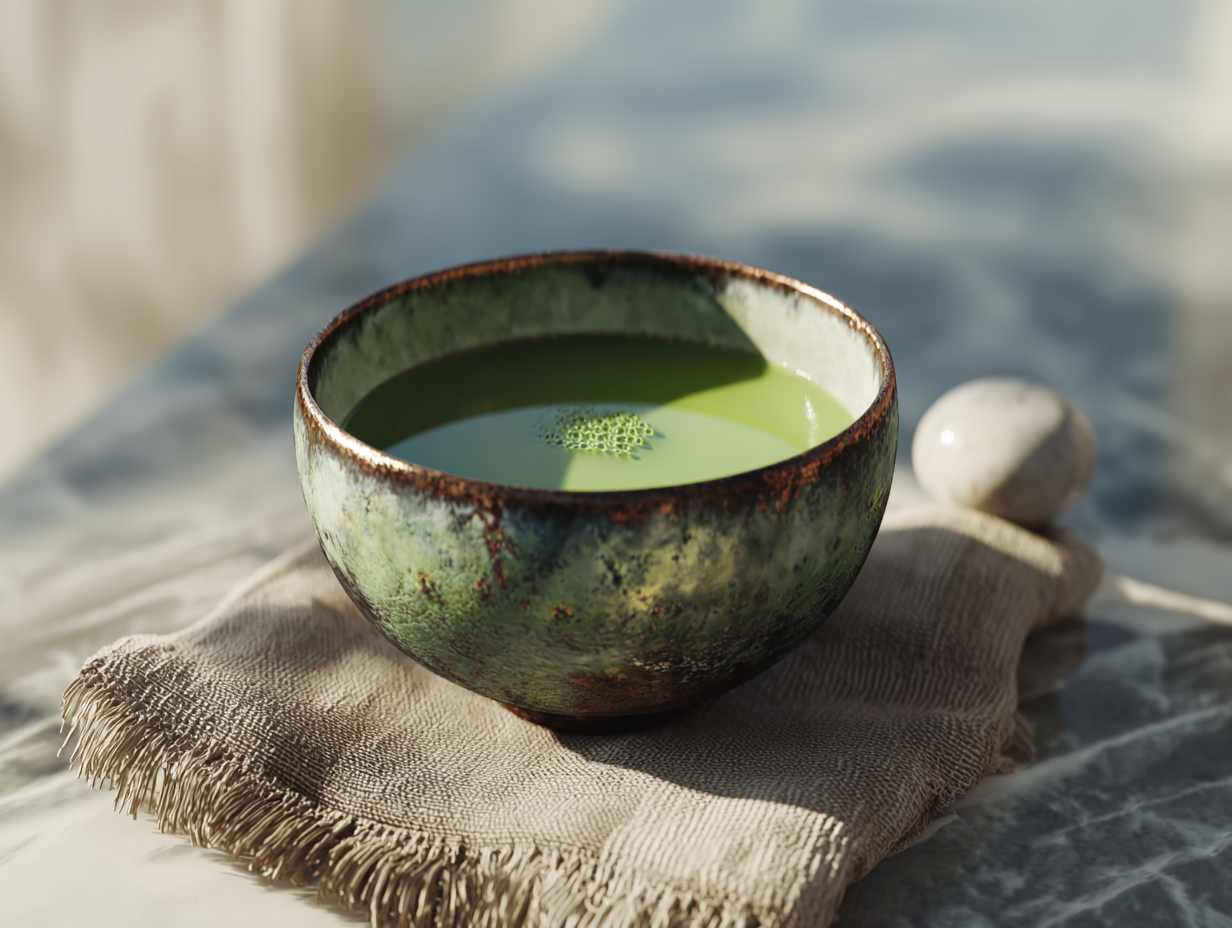
If you want maximum potency from green tea, matcha is the uncontested winner. Unlike regular green tea where you're just steeping leaves, with matcha you're consuming the entire leaf, ground into a fine powder.
The numbers are staggering. One cup of matcha delivers roughly the EGCG equivalent of 10 cups of regular green tea. The L-theanine content is also off the charts compared to standard green tea.
The grading system is a modern marketing tactic, but it does delineate the quality like a traditional teahouse would. Ceremonial grade matcha is expensive as shit, but worth every penny. It tastes good, and smooth, and actually sweet. The cheaper "culinary grade" stuff has significantly lower catechin content and often contains more contaminants, and tastes kindof like bitter sawdust. Don't waste your money on the cheap stuff - either buy high quality matcha or stick with good loose-leaf tea.
When preparing matcha, the water temperature is even more crucial - around 175°F is ideal. Too hot and you'll destroy compounds and create a bitter mess. Whisk it properly with a bamboo whisk or electric frother to break up clumps and create that perfect microfoam.
For the truly obsessive biohackers out there, shade-grown matcha has the highest L-theanine content, which pairs beautifully with the caffeine for sustained, clean energy without the jitters or crash.
Here's a cool hack – literally. Matcha doesn't even need hot water to deliver benefits. Cold preparation works surprisingly well.
Studies show cold-brewed green tea actually preserves more catechins like EGCG than hot-brewed methods. Heat degrades some of these compounds, while cold water preserves them. Plus, you get less bitterness since fewer tannins get extracted.
The beauty of matcha is you're consuming the entire leaf regardless of preparation method. Those compounds are there whether you use hot or cold water.
For cold matcha, I just add it to a cup with water, about ¾ full, and use a frother to mix. No mess, no clumps, no extra dishes, which is extremely important to me.
Consider using slightly more matcha powder than you would for hot preparation to ensure optimal potency. This cold method is perfect for summer or for those who find hot matcha too intense.
Be picky with your loose-leaf green tea as well. Not all green tea is created equal. Japanese varieties like gyokuro and sencha typically have higher catechin content than Chinese green teas. Shade-grown teas have higher L-theanine levels, which is great for cognitive benefits and stress reduction.
Want to really optimize absorption? Add a tiny pinch of black pepper to your tea. The piperine in black pepper enhances absorption of many compounds. You won't taste it if you use just a small amount.
I asked Perplexity if there are any good synergistic ingredients for green tea and it suggested turmeric. I entirely disagree, keep that to my curries, thanks.
Consistency beats quantity every time. Three to five cups spread throughout the day will give you better results than chugging a gallon once a week. Your body processes these compounds better in smaller, regular doses.
Make sure your tea is fresh - use within six months of purchase for optimal potency. Store it in airtight containers away from light, heat, and moisture.
Let's be real about expectations. Will green tea make you live to 200? No single compound will. But as part of your longevity toolkit, properly prepared green tea is backed by serious research showing it can help reduce inflammation, support cellular cleanup mechanisms, protect DNA, and improve metabolic health.
Remember, this is about the long game. Small, consistent habits compound over decades. Drinking properly prepared green tea is one of those simple daily practices that can contribute to your extended healthspan.
The beauty of this approach is that you're getting a complex array of beneficial compounds in their natural ratios, rather than isolated supplements that might miss important cofactors.
Now it’s tea time.



Leave a comment
This site is protected by hCaptcha and the hCaptcha Privacy Policy and Terms of Service apply.